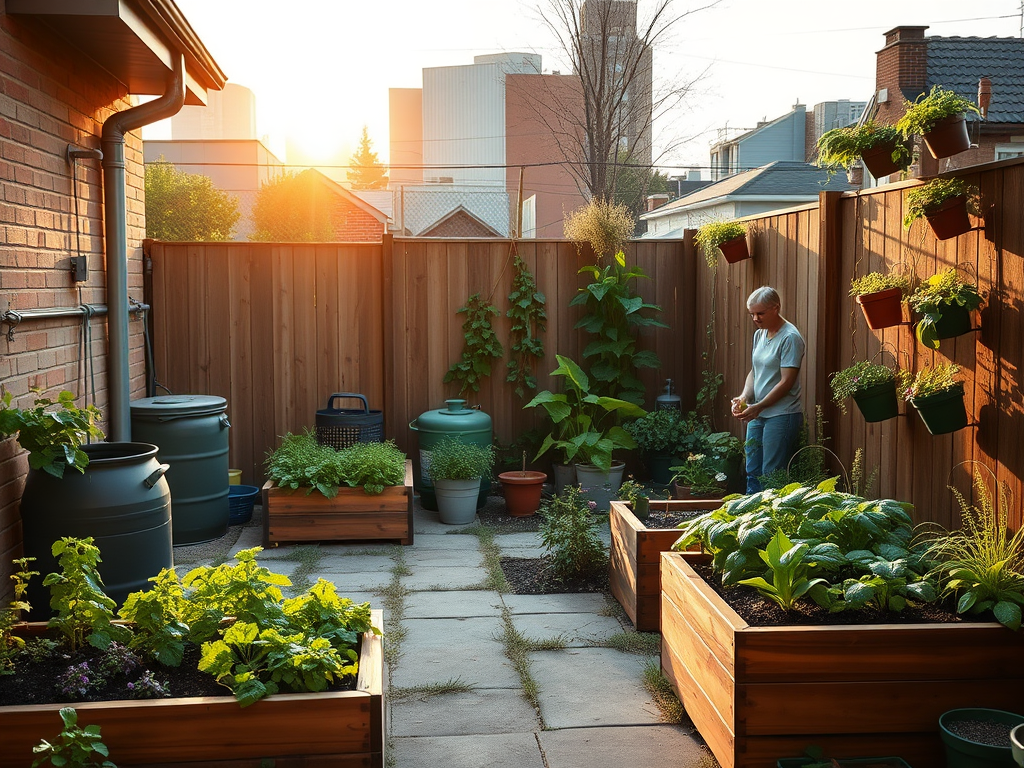
I have not always been what I call a “homesteader”. Primarily because I always thought you had to have land, chickens, cows, a garden, be off grid, etc. I was so focused on what I didn’t have, I wasn’t thinking about the things I could be doing.
I grew up in a paycheck to paycheck home where we always had to make things stretch. With a sick mother and expensive medical bills we didn’t have a lot of money to be spending on luxuries. This coupled with grandparents who grew up during the depression, who still keep cases of vegetables around, just in case, it’s a little surprising I didn’t see it coming sooner. Especially when I was also an extreme couponer once upon a time. As it turns out, having lived the life I had up to this point, I think it actually gave me some mental toughness to find ways to make things stretch.

My thoughts of finding ways to be a producer comes from the common principle of being self-sufficient. While that is a wonderful ideal, I don’t know many people who are able to grow their own food, make their own textiles, and source energy for their own home; certainly not as a single household.
Plus, for anyone who is just getting started with homesteading practices, trying to do everything at once can feel like you’re drinking from a fire hydrant or building an airplane while flying it. Instead, if you find something you are good at or enjoy doing, build your skills with that and then you can share with neighbors or other likeminded people who can support you as well.
If you are new to homesteading, here are some tips to get started:
Tips for Homesteading
**I will provide some affiliated links that will allow me to earn a small commission if you decide you want to make a similar decision as I did and purchase some of these great products (Win Win!)**
Time
Think…and PLAN… about how much time do you have.
It’s easy to get excited and want to devour the world, but starting a garden, learning to can, or knitting can take time to learn. If you want to start your homestead journey a little bit more slowly, think about practices you can do that won’t take quite so long.

Maybe it’s a switch to cloth napkins instead of paper towels or reducing your Keurig usage to reusable capsules. Just by doing that you can make a difference in your environment, your garbage footprint, and maybe even your pocket book. Alternatively, if your job or family situation gets hectic while you are learning to can, doing these other items in between large projects can keep you going and inspired.
I try to use what I call a 1, 2, 3 principle of time management.
1, 2, 3 Principle of Time Management
That is 1 big task that will take up 2-3 hours of time. This is usually a canning project, starting mushroom substrate, or putting all the plants in the garden.
Then I can do 2 smaller tasks that take from 30 minutes to an hour. This will include laundry, (I don’t count the time it’s in the washer or dryer since it’s not me actively washing/drying), doing a moderate to deep cleaning a room depending on it’s size, fertilizing the garden, or starting multiple trays of new seeds.
Lastly, three smaller tasks that take anywhere from 10-30 minutes. This will usually include organizing a cabinet, dusting, sweeping, breaking down boxes, or meal prepping food for canning or for dinner.
I try to not include basic chores in this list. Items like making the bed, getting the animals/plants water, doing the dishes, making dinner because these are typically things that have to be done every day. However, if I know I’m trying to get a lot done on a particular day, I might use the ones that are flexible-because obviously getting the animals/plants water is not flexible-to “buy” me extra time. This can look like using a canned meal instead of cooking fresh, or if you have in your budget for takeout.
The trick is to not get burned out. I use this 1,2,3 principle especially on weekends, because my job comes in as #1 because it is the largest time sink in the day and it provides for my family. During the week, I will still try to do the 2 & 3 every day because I want to work towards my homestead. I stem from perfectionism and not wanting to waste food or let my house go to shambles, and I will beat myself up if I let something fall through the cracks so this is what works for me.
Feel free to adjust the timing or make this method your own!
Money
Think about your monetary investment.
Living in the suburbs and working in education means expenses are higher and working in education means there is a fixed income. I never understood why people talked about seniors as being the only ones who have fixed income. Being in education means we get paid once a month (here anyway) and we are not guaranteed a cost of living increase or a raise, ever. It gives an extra challenge for budgeting, but it encourages creativity.
Consider whether it is easier to save money or increase cash flow. For me it is easier to save money.
Saving Money
Homesteading needn’t be expensive. Sure there are $500 canners and expense raised garden beds, but you can opt out of the cash grab. You have my permission. Tell them your favorite blogger/homestead coach told you it’s okay to not do that right now.
Sure, some of those things may even be worth it in the long run. However, if you are the type of person to get on what I call a “kick”, where you become intensely passionate about a hobby but then get burned out-it may be best to wait until you are 110% sure you want to do it long term. That way you can get your return on investment out of it.
Until then get the starter version. You can preserve and pickle with a big pot of water. If you really want to try pressure canning, check your local thrift store, or get the cheap version first. You can build your own garden beds instead of buying some that are $300 each.
I mention other cost saving tips in my other blog post Budget-Friendly Homesteading: Save More in the Kitchen: Part 1, which goes into how to save money especially in the kitchen. Aside from that, you can also look into doing more projects around the house instead of hiring outside help.
Instead think about how homesteading can help you save money that can help you towards your goals.

Generating Income
While I think saving money is the easiest place to start, that does not mean that your homestead cannot also generate money later down the line. Once you have a garden in place, depending on your state’s cottage laws, you might be able to pickle or ferment them and sell them. You could create candles. Make bread and sell sourdough. Have too many plants? Post them online for sale in the market place.
I do think this avenue is advantageous if you can get started. I personally don’t like marketing, which is another reason why it is easier for me to save. However, if you have an extroverted personality, you like to socialize, or if you have a background in design or communication, this may be a great avenue for you and your homestead.
Again just be sure you are following your local, municipal, and state laws before starting a homestead business. If you are in the Texas area or Oklahoma, check out these websites for information on Cottage Laws. Texas Cottage Law Oklahoma Cottage Law. The Texas Cottage Law linked has a great recipe book (even if you aren’t in Texas) that has tested recipes that are Time and Temperature Safe if your state requires them.
Goal Setting
Think about where you want to be. Set goals.
I know some may think that this should have been the first item of consideration, but I think it’s easy to get overwhelmed if you aren’t thinking realistically about your limitations. It is easy to dream big, but if you are like me and only have an hour or two most days to pursue your homestead, I worry about only setting yourself up for disappointment.
Let’s say your goal is to grow more of your own food. That is a great first goal! However, growing your own food if you have unlimited time or money looks very different than working full time with a family on a limited income. One might have the income or money to support designer garden beds or large hydroponic towers, the other might have a small bed of lettuce, squash, or tomatoes, but both situations are correct in that they meet your goal of growing your own food, but they look very different.

Specificity
Consider making your goal as concrete as possible by being specific about it. Growing your own food is great, but is there something specific that you spend a lot of money on that you could grow? Lettuce greens is something that is pretty high priced in the store, quick turn around to build self efficacy, and has a meaningful impact on growing your own food.
Alternatively, if you want to reduce waste, think about something that might be a greener alternative. Instead of using candles, think about a diffuser. Less jars, less expensive, and provides healthy immune positive effects and makes your home smell good. Using cloth towels instead of paper towels, using refillable coffee pods instead of buying aluminum ones. Our upcoming goal is that we are considering making our own laundry detergent to save money on the item itself and it reduces the amount of plastic we are buying.
If you are not sure where to start for your goal setting, consider this list:
- I am able to grow all of my own lettuce greens in my garden.
- I am able to eat home cooked meals for x number of days in a week
- I am able to save xyz dollars by shopping sales.
Keep Learning
As an educator, it’s probably not surprising to hear to keep learning from me. There are good reasons why. As you keep learning you start to see how things are connected and how things work together. I love to know how things are connected both at my day job and in my garden.
Had I stopped learning after gardening, maybe I wouldn’t have made that next jump into canning. Or would not have started growing mushrooms. It wasn’t until I heard in an audio book that plants tell the fungi in the soil what food and nutrients they need, that I became enamored with growing my own. It helps my plants that I use to grow, eat and preserve, and it helps my plants so it will reduce my waste (coffee grounds) and help me save money by using things I already have around the house (like pecan chips and straw).

Books/Audio Books
I’m a big believer in audio books since I drive almost an hour in traffic to work and make routine 4 hour trips out of town. Some of my favorite books and audio books to consider are:
- Restoration Agriculture by Mark Shepard |Ebook | Audible
- Dirt to Soil by Gabe Brown | Ebook | Audible
- Water for Any Farm by Mark Shepard | Ebook | Audible
- You Can Farm by Joel Salatin | Ebook |Audible
- Your Successful Farm Business by Joel Salatin | Ebook | Audible
YouTube
YouTube is a great resource and is really where I started when planning my garden and growing mushrooms. There is a wealth of resources around and if you are a beginner it can be a little overwhelming to find creators who you can relate to, are doing what you are doing, and provide good quality information. It can be a great place to start learning if you know where to look. If I am doing housework, I’ll cast it to my TV and do some chores while I’m listening to it.
Some of my favorite channels for YouTube:
- GrowVeg : Ben is great and has in depth guides on getting started for any vegetable plant! His garden planner is amazing and is very helpful in planning your garden.
- The Millennial Gardener : Super relatable and has great guides and tips on developing your garden in the suburbs. Watch the whole video for updates on his dog!
- Epic Gardening : Entertaining and well produced videos on a lot of variety of garden vegetables and companion plants
- Pepper Geek : Great to learn about different peppers and varieties and recipes
- Renegade Mushroom : By far the best YouTuber on growing mushrooms at home from liquid culture to grain bags to setup

Bonus: I Know Where I’m Going, Who’s Coming With Me
Who is going with you on this crazy homestead ride? A spouse? Kids? Friends? Think about who your support system will be. I do firmly believe that it can be done on your own, but it can be a lonely and you will want to share the highs and lows with someone.
If you don’t have a supportive spouse or other friends/family who understand what you are trying to do, consider visiting your nearest library or community garden. Those individuals might know of groups that you can join that have similar values that you do.
If you are already on social media, consider looking on Facebook Groups focusing on the area you want to learn, or find some accounts that are doing what you want to be on Instagram or YouTube. If you are more of a reader than watching reels or posts, think about subscribing to blogs (like this one ;-)) or looking at forums for what you are wanting to learn. I have learned more about growing mushrooms via blogs and YouTube than I could ever imagine.
Tools of the Trade
I won’t go into extensive detail on anything in particular as I have other posts that go into more detail on that, like Seed Starting For a Bountiful Season, but if you want to know a few things that I or my family uses to can, garden, or grow, check out these things listed below. These are great ideas to get started or to show support of the burgeoning homesteader in your life.
- Aerogarden: Less than $50 so it’s great for low-stakes entry level homesteading. It’s hydroponics with a grow light so you can truly grow most small plants here. When I was in an apartment and I first wanted to grow my own lettuce and herbs (basil, parsley, cilantro, etc.) I had no room to grow anything. I think if growing your own food (especially things like lettuce and herbs) this is a great place to start for post people. See if you can keep these plants alive in an ideal situation and see if you can dry/preserve any of the herbs. We now have 3 of our own and dad has two. One of this model and this larger one, so we always have lettuce. Our third one we use either for herbs or starting strawberries. If you get burned out managing one or two of these, it may be good to wait on a full garden. Or if you love it, they have their own seed starting sets you can use later on.

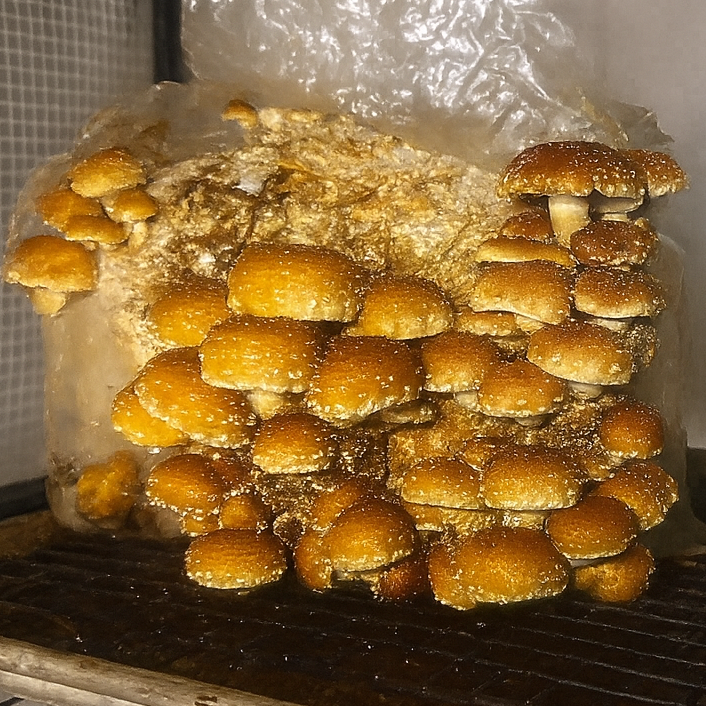
- Back to Roots Mushroom Grow Kit: Less than $20 so similar to the Aerogarden, if you are interested in growing your own mushrooms this is a great first step. This one $10 gift (hubby got me the mini) launched a whole new enterprise the urban homestead. I was able to get a serving or two from the block itself (6-8 ounces) and then when it wasn’t producing, I used the left over block and added some pasteurized straw and spent coffee grounds and it is still (6 months later) producing more mushrooms for us. We have gotten a few pounds from this one block alone. This is another great product if you aren’t sure if you want to keep up with something, to get your toe wet and see if you fall in love like I did.

- Water Bath Canning: This set is a little bit on the pricier side at around $75. You can use whatever large pot for water bath canning, but my aunt uses this Graniteware Pot for most of her pickling. For any high acid foods like preserves, pickles, or ferments, you can get away with a canner like this, plus it has the jar lifter and rack to keep the jars from getting too hot at the bottom.
- Pressure Canning: My grandparents use this Presto Pressure Canner for all of their canning needs. At around $150 it becomes more of an investment, but still one of the more reliable pressure canners at this price point. They use a glass top stove, so it’s good that it can be used anywhere. They do make more affordable models that are smaller, but being able to also water bath quarts with it, you won’t need both the Graniteware Pot and this. Do consider buying a separate canning supply set like this Norpro Canning Set that I bought my grandparents, for the jar lifter and funnel. The other items are nice in the set and you may find use for them, but I don’t use them nearly as often.

Conclusion
I think once you have an idea of how much time you have, how much money you want to spend, you have your goals in place, and you know where to start in order to keep learning, you can make your plan.
Don’t let your goals remain stagnant. When I first started canning, I was making something new every week. I don’t have the time to do that right now and that’s okay. Sometimes new bills come up and I can’t afford to purchase the transplants from the store, and that’s okay too. Having a growth mindset and allowing yourself the opportunity to learn, grow and make mistakes is part of the journey. I know learning how to homestead has brought me more contentment and peace, and while it has its stressing moments, I think it can bring joy and peace to you too.
If you are homesteading, add your comments and experiences below!




Leave a Reply